
Keep container circulation under control
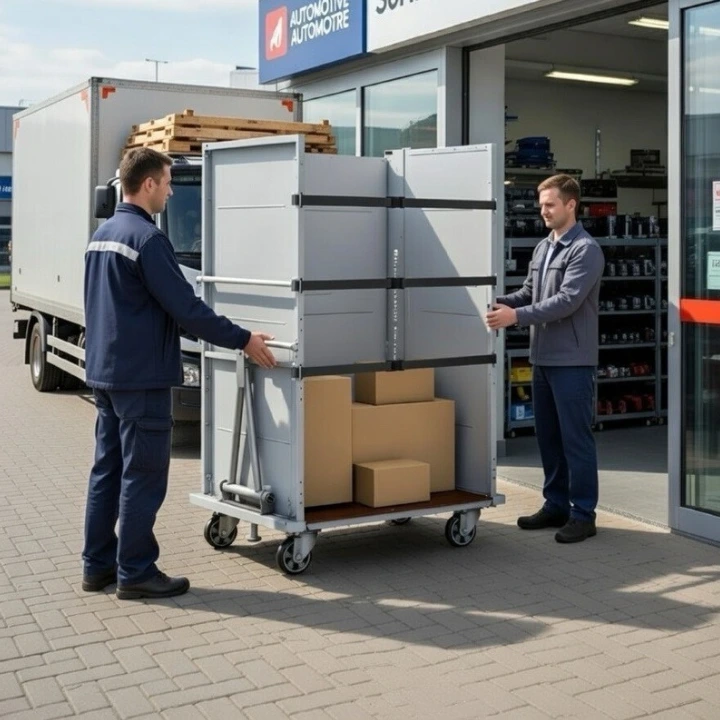
BOX ID digitalizes the circulation of your returnable containers within the global spare parts network - from shipment at the RDC, through the dealer network to structured returns.
Our Customers














Lack of transparency in the global network
In the after sales process, returnable containers circulate continuously between regional distribution centers, warehouses, and dealers. Unlike production flows, these cycles are demand-driven and lack fixed schedules. As a result, visibility into container location, dwell time, and condition upon return is often limited.
Fragmented stocks across the dealer network without centralized control.
No reliable planning on regional availability.
Inefficiencies in the dealer network
In day-to-day logistics operations, untransparent container flows often result in unpredictable bottlenecks and high costs. BOX ID addresses these challenges by providing targeted digital control.
Distributed inventory
Without active management of returns, containers remain with dealers or service partners. Inventory becomes fragmented across regions, resulting in a lack of transparency.
BOX ID visualizes inventory in real time and automates returns.
Long return times
Irregular demand and a lack of control lead to long circulation and return times. Containers remain tied up in the network, reducing availability in other areas.
BOX ID monitors circulation times and triggers alerts and automations if time limits are exceeded.
Shrinkage & loss
Undocumented returns, damaged containers, and misuse result in replacement purchases and additional costs.
BOX ID tracks every movement, reduces losses and optimized management.
Controllable RTP Management for After Sales
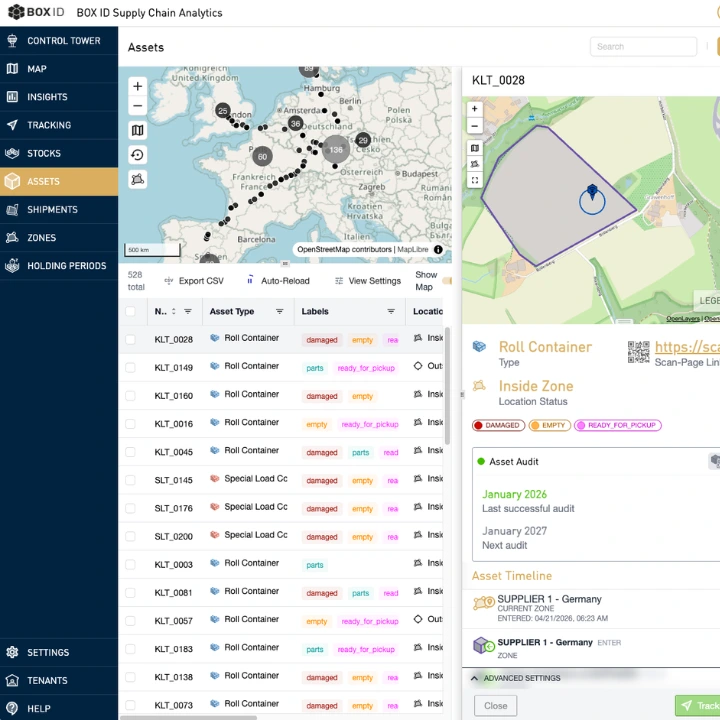
BOX ID creates a digital twin of your entire fleet. Every container is linked to location, movement, and process data. This provides a consistent view of your circulation structure across RDCs, dealers, and international return routes.
Status on location, availability, and condition
SLA monitoring with alerts in case of deviations
Relevance for your after sales buying center
In the spare parts business, container management spans multiple roles within the network. BOX ID provides the necessary data for each role.
RDC management
Get complete visibility into inventory, outbound shipments, and returns. Plan distribution center capacity based on reliable insights.
Scheduling
Transparent circulation and return times allow for the controlled distribution of inventory among regions and retailers.
Dealer support
Clear documentation of handoffs and returns reduces friction within the dealer network and promotes accountability.
After sales management
Reliable metrics on fleet size, tied-up capital, and service levels form the basis for informed decision-making.
How companies benefit from BOX ID in operations
%
Less waste
Losses and misuse are reduced transparently and systematically – by up to 95%, in practice. Responsibilities within the network become clearly traceable.
%
Faster return
Return times are visible and can be managed proactively. On average, containers return to the RDC faster, decreasing overall demand by up to 20%.
%
Reduced tied-up capital
Optimized inventory distribution reduces regional overstock. Tied-up capital typically decreases by up to 15% while maintaining stable availability.
Success stories
International OEMs and tier 1 suppliers use the BOX ID system to efficiently manage container networks across RDCs, dealers, and service partners.

Adamer Glas cuts costs with BOX ID’s smart rack management
Adamer Glas now has a real-time overview of over 400 transport racks by digitizing its management system. The result? Faster returns, less shrinkage, and greater security.
Metallbau Windeck digitizes transport rack management
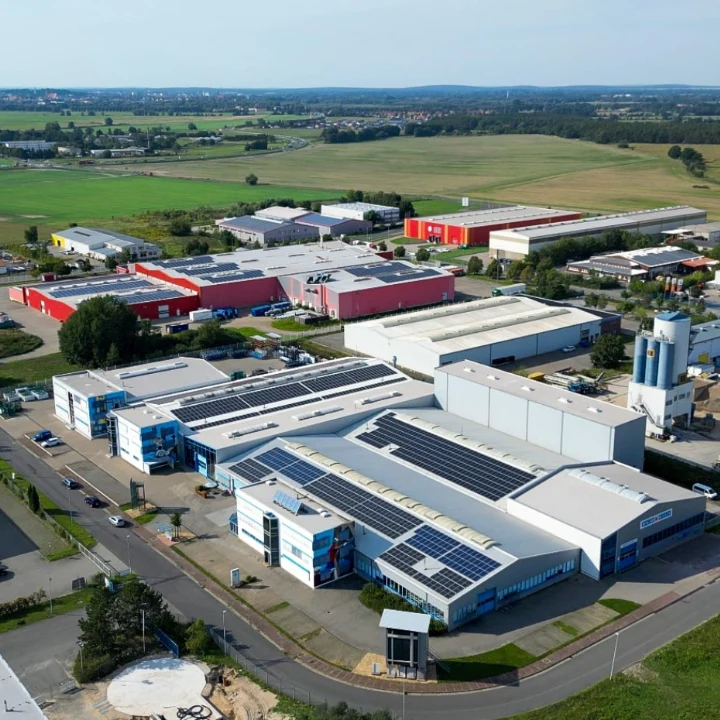
With the BOX ID cloud solution, Metallbau Windeck has transferred its rack fleet from Excel management to the digital world.
How INDEX Werke secure their production processes
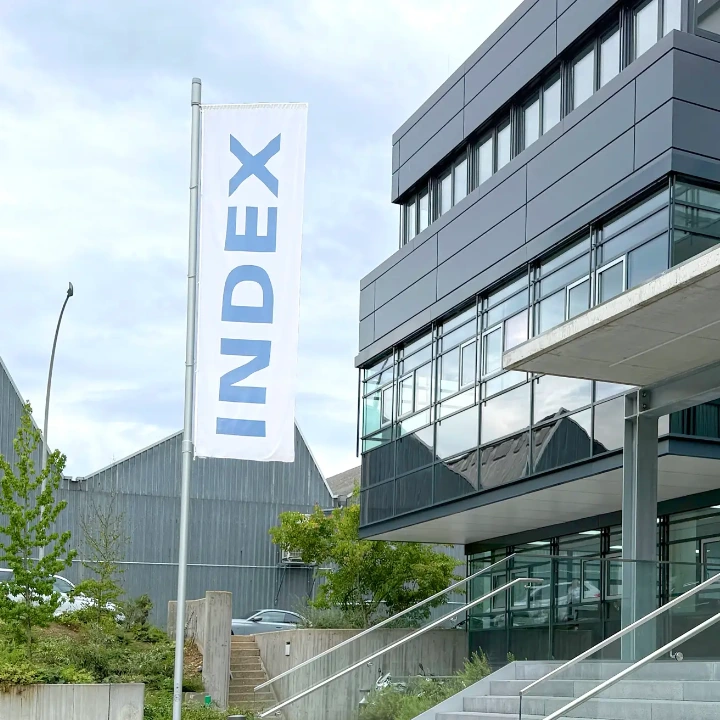
Thanks to the BOX ID cloud solution, logistics and manufacturing at INDEX Werke can keep track of 1,000 transport racks at all times – across locations, transparently, and in real time.
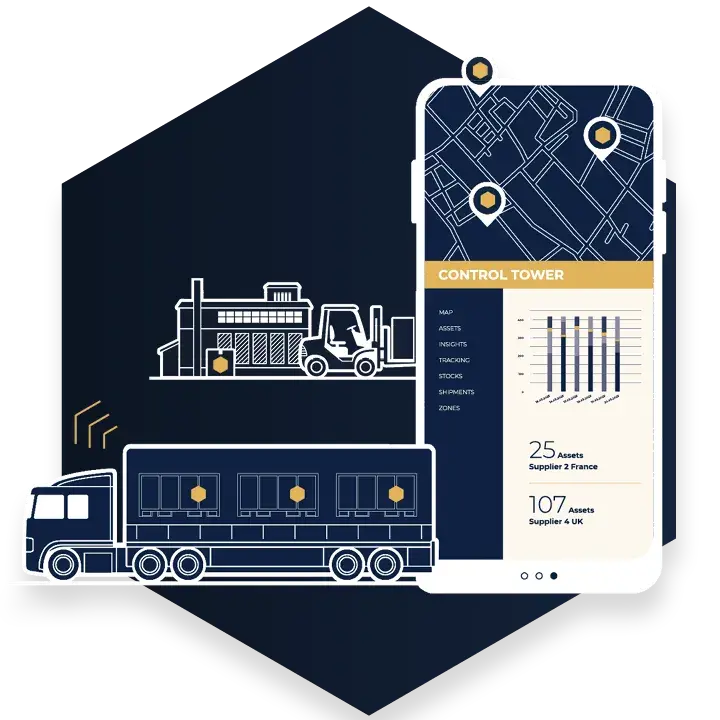
Measurable results in weeks
Many companies start with a clearly defined use case – for example, managing a specific load carrier type or critical route. Within weeks, operational improvements become visible: reduced loss, more stable circulation, and a clear data foundation for informed decisions. The Starter Edition enables a controlled entry – scalable to full fleet management.
Fast pilot with clearly defined scope
Scalable to company-wide rollout

Bring transparency to your after sales network
Looking to manage your containers in the global spare parts business in a structured way? We analyze your RDC structures and show how to stabilize circulation, reduce tied-up capital, and build reliable, data-driven service levels.
Our Customers
Frequently asked questions about RTP management in after sales
What are returnable containers?
Returnable containers, also known as shuttle containers, are reusable transport containers that circulate continuously between the shipper and the recipient. Examples include KLTs, GLTs, roll containers, special racks, and reusable boxes. In the automotive after-sales sector, they connect regional distribution centers (RDCs) and dealers.
Why is managing returnable containers particularly complex in the after-sales service sector?
In the after-sales sector, containers are distributed internationally and circulate based on demand. Long return cycles and fragmented inventories result in a lack of transparency and an expanding fleet size.
What are the benefits of returnable packaging management software?
Returnable packaging management software provides real-time visibility, reduces shrinkage, shortens turnaround times, and improves inventory planning. It reduces capital tied up in inventory while maintaining stable availability.
How does RTP management reduce capital tied up?
Transparent inventory cycles clarify how many containers are actually needed. Safety stock levels can be reduced, and fleets can be sized more efficiently.
Is it possible to integrate returnable packaging management software into SAP or an ERP system?
Yes. Modern solutions integrate with ERP, EWM, and warehouse management systems via APIs. This allows shipping, returns, and tracking data to be linked across systems.
How long does it take to implement a returnable container management solution?
Many companies start with a pilot program. Often, the first measurable results are visible within 12 weeks.
What is returnable container management?
Returnable container management involves organizing, monitoring, and controlling reusable containers throughout their entire cycle. The goal is to ensure availability, reduce shrinkage, and minimize capital tied up.
What does tracking returnable containers entail?
Tracking involves digitally recording the location and status of containers. This can be done via QR code scanning or active Internet of Things (IoT) tracking, which provides transparency regarding circulation and returns.
What is RTP management?
RTP management (returnable transport packaging management) refers to the structured management of returnable transport packaging. It combines tracking, inventory control, and return management into a single system.
Which technologies are used for tracking returnable containers?
Depending on the use case, one of the following tracking methods is used: QR workflows, BLE hybrid tracking, or LTE Cat 1 tracking. The choice depends on the size and international scope of the network.
What is the best way to reduce shrinkage in returnable containers?
Digital inventory tracking, documented handoffs, and systematic analyses make losses transparent. This allows shrinkage rates to be significantly reduced.
Can I try out the BOX ID system?
Yes. With the BOX ID Starter Edition, you can evaluate shuttle container tracking and RTP management within a clearly defined project.
Can't find the answer to your question here?
Talk to our team. We're happy to advise you on your specific use case.
Book a call now
Do you have complex requirements or are you looking for the right solution for your load carrier management? Let's talk.
E-Mail:
info@box-id.com
Phone:
+49-(0)89-2190973-60
Location:
BOX ID Systems GmbH
Lichtenbergstraße 8, c/o gate
DE-85748 Garching near Munich
The BOX ID System in practice
From fleet management in production logistics and after sales to shipment monitoring and yard visibility
- BOX ID offers the right solution for specific operational challenges.
From Shipment Monitoring to Yard Visibility

Efficient Fleet Management for Industrial Production Logistics
